



Truck cranes have become an essential part of modern infrastructure projects, offering unmatched flexibility, mobility, and lifting capacity. Whether it’s bridge construction, highway installation, or urban infrastructure development, truck cranes provide a reliable solution for lifting, transporting, and precisely placing heavy loads.
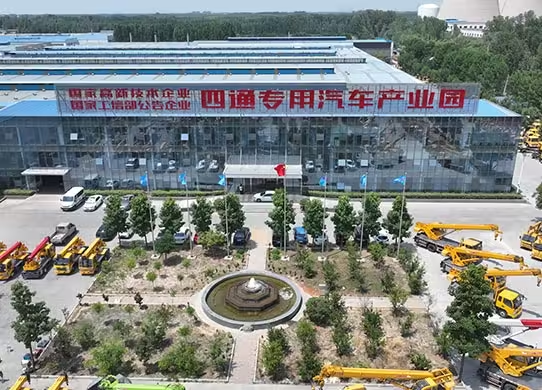
Jining Sitong Construction Machinery Co., Ltd., established in 2005, is a leading manufacturer specializing in truck cranes, aerial work platforms, sanitation vehicles, and emergency rescue trucks. This article explores how Sitong truck cranes facilitate bridge and infrastructure construction, offering insights into equipment selection, operational strategies, and real-world applications.
Table of Contents
Introduction
Infrastructure projects involve heavy lifting and precise positioning of construction materials, often under challenging environmental conditions. Truck cranes provide the dual advantage of mobility and lifting power, making them ideal for projects where traditional stationary cranes are impractical. Bridges, highways, water systems, and urban structures all benefit from the use of truck cranes due to their ability to handle heavy components efficiently.
By leveraging Sitong’s advanced hydraulic truck cranes, contractors can improve project timelines, enhance safety, and reduce labor requirements. This makes truck cranes a cornerstone in modern construction practices, especially in complex infrastructure projects.
Key Capabilities of Truck Cranes
Truck cranes are designed to combine the mobility of a truck with the lifting power of a crane. Some core capabilities include:
- Hydraulic lifting systems: Provide smooth and precise operation for heavy loads.
- Telescopic booms: Allow for adjustable reach, suitable for various bridge spans and infrastructure heights.
- Stability systems: Outriggers and automatic leveling mechanisms ensure safe lifting, even on uneven terrain.
- Mobility: Can travel on public roads, eliminating the need for specialized transport.
- Versatility: Capable of handling different types of loads, from steel beams to pre-cast concrete sections.
These capabilities allow truck cranes to operate effectively across multiple infrastructure scenarios, from urban road maintenance to large-scale bridge construction.
Typical Bridge Construction Tasks Requiring Truck Cranes
Truck cranes are frequently used in bridge construction to perform critical tasks such as:
- Precast concrete girder placement: Lifting heavy beams into precise positions over supports.
- Steel frame assembly: Erecting structural steel elements for suspension or cable-stayed bridges.
- Deck installation: Positioning and aligning bridge decks, often in constrained urban areas.
- Barrier and railing placement: Installing guardrails, safety barriers, and pedestrian elements.
By deploying appropriately sized truck cranes, project managers can ensure that these tasks are executed efficiently, reducing downtime and enhancing construction safety.
Infrastructure Projects Supported by Truck Cranes
Beyond bridges, truck cranes are essential in other infrastructure applications:
- Highways and roads: Installing large traffic signs, barriers, and overpasses.
- Water systems: Placing pumping stations, pipes, and gates in water treatment facilities.
- Urban construction: Assisting in modular building placement, crane-based concrete pumping, and heavy equipment handling.
- Railways and transit: Erecting overhead structures, signal poles, and utility installations.
Truck cranes provide the flexibility to switch between projects without major setup, making them ideal for contractors handling multiple infrastructure sites simultaneously.
Selecting the Right Crane for Specific Bridge Spans and Site Conditions
Choosing the right truck crane requires careful consideration of several factors:
- Load weight: Select a crane with at least 20% higher rated capacity than the heaviest expected load.
- Boom length: Ensure the crane can reach the desired height and horizontal distance for the project.
- Site terrain: Uneven or soft ground may require reinforced outriggers or wider base support.
- Mobility requirements: Projects with multiple sites may need cranes capable of highway travel and quick setup.
- Frequency of lifts: For repeated heavy lifts, select cranes with robust hydraulic systems and high durability.
Sitong offers a wide range of truck cranes, from light-duty models for smaller urban projects to heavy-duty cranes exceeding 100 tons for large bridge spans. Professional consultation can help determine the ideal crane for each unique project.

Safety Measures During Lifting and Placement
Safety is a top priority when operating truck cranes in bridge and infrastructure projects. Key measures include:
- Load monitoring: Use load sensors to prevent overloading.
- Stability checks: Ensure outriggers are fully deployed and level on the surface.
- Operator training: Certified operators improve precision and reduce accidents.
- Environmental awareness: Adjust operations during high winds or adverse weather conditions.
- Communication protocols: Use spotters and signals to coordinate lifts effectively.
By adhering to these safety protocols, contractors can minimize risks and protect both personnel and equipment.
Maintenance and Performance Tips for Infrastructure Cranes
To ensure optimal performance, truck cranes require regular maintenance. Recommendations include:
- Daily inspection of hydraulic systems, cables, tires, and control systems.
- Weekly lubrication of all moving joints and boom sections.
- Monthly checks of structural components and safety devices.
- Professional servicing every 3–6 months, including filter replacement and hydraulic system inspection.
- Keeping detailed maintenance logs to monitor wear and plan preventative repairs.
Sitong provides comprehensive maintenance manuals, training, and technical support to keep cranes operational in demanding infrastructure projects.
Case Study: Sitong Truck Cranes in a Bridge Construction Project
A Southeast Asian highway bridge project required lifting pre-cast concrete girders weighing over 80 tons each. Sitong supplied three 100-ton hydraulic truck cranes with 45-meter booms.
Results:
- Beam installation time reduced by 35%
- Operating costs decreased by 20%
- Zero safety incidents recorded throughout construction
This example demonstrates how selecting the right crane, combined with advanced features and proper planning, can optimize efficiency and safety in large-scale infrastructure projects.
Future Trends: Smart Cranes and Efficiency Improvements
Modern infrastructure projects increasingly demand smart, automated solutions. Emerging trends for truck cranes include:
- Real-time monitoring: Sensors track load, boom angle, and stability for safer operations.
- Hybrid and electric power: Reduce emissions and fuel costs.
- Automation: Smart controls assist operators in precise placement and load balancing.
- Predictive maintenance: AI-based systems anticipate component wear and schedule servicing.
Sitong invests in these technologies to enhance the efficiency, safety, and sustainability of truck crane operations worldwide.

Table: Recommended Truck Cranes for Bridge and Infrastructure Projects
| Project Type | Load Capacity | Boom Length | Recommended Crane Type | Notes |
|---|---|---|---|---|
| Small Urban Bridges | 20–50 tons | 20–30 m | Compact hydraulic truck crane | Tight space access |
| Medium Highways | 50–100 tons | 30–45 m | Medium hydraulic truck crane | Moderate span lengths |
| Large Bridge Spans | 100–150 tons | 45–60 m | Heavy-duty hydraulic truck crane | Long-span beam lifting |
| Urban Road Maintenance | 8–25 tons | 15–25 m | Light hydraulic truck crane | Frequent relocation |
FAQ
What is the ideal tonnage of a truck crane for bridge construction?
The ideal crane depends on load weight and boom reach, generally selecting at least 20% above the maximum load.
Can truck cranes operate in tight urban infrastructure sites?
Yes. Compact hydraulic truck cranes with adjustable outriggers are designed for narrow streets and limited spaces.
How do you ensure safety while lifting heavy beams?
Use load sensors, properly deploy outriggers, follow environmental protocols, and employ certified operators.
How often should truck cranes be inspected during a project?
Daily inspections for operational components, weekly lubrication, and professional servicing every 3–6 months.
Can Sitong customize cranes for unique bridge or infrastructure projects?
Absolutely. Sitong provides tailored solutions to meet specific load requirements, site conditions, and project specifications.