



Truck cranes are indispensable in modern construction, infrastructure, and industrial projects. Their ability to lift heavy loads with precision makes them critical to project success. However, even the most advanced hydraulic truck cranes or standard truck-mounted cranes require consistent maintenance to operate safely and efficiently. Without proper upkeep, cranes can experience premature wear, reduced performance, and even safety hazards.
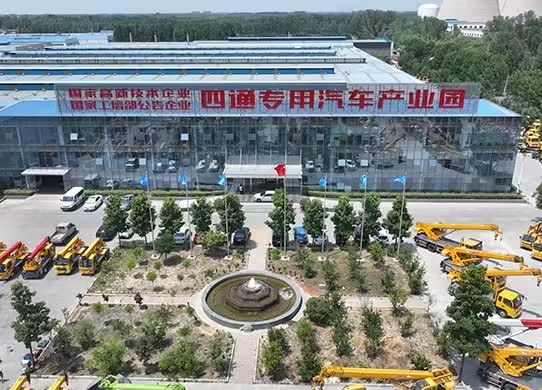
Jining Sitong Construction Machinery Co., Ltd., founded in 2005, has become a leader in truck crane manufacturing. With over 680 employees, a provincial-level technology center, and 55 patents, Sitong specializes in producing high-quality cranes for construction, municipal, and industrial projects worldwide. This guide provides essential truck crane maintenance tips to ensure long-term reliability and optimal performance.
Why Maintenance Matters for Truck Cranes
Proper truck crane maintenance is essential for multiple reasons:
- Extended Equipment Lifespan
Regular inspections and preventive maintenance prevent minor issues from becoming major problems. Consistently following recommended procedures ensures cranes last longer and maintain peak operational performance. - Safety Assurance
Cranes operate in high-risk environments. Unattended wear and malfunctioning components can result in tipping, hydraulic failures, or boom collapses. Proper maintenance ensures operators and site personnel remain safe. - Reduced Downtime
Unplanned breakdowns can halt entire projects. Preventive maintenance minimizes downtime, ensuring that deadlines are met without unnecessary delays. - Cost Efficiency
Early detection of wear and timely replacements prevents major repairs, which can be significantly more expensive than routine maintenance. Maintaining cranes in top condition also improves fuel efficiency and operational efficiency.
Daily Maintenance Checklist
Daily inspections are the foundation of effective crane management. Operators should conduct these checks before starting any lifting operation:
| Maintenance Task | Frequency | Description |
|---|---|---|
| Hydraulic oil level | Daily | Ensure the proper level to prevent pump or cylinder damage. |
| Boom and cables | Daily | Inspect for cracks, fraying, and loose fittings. |
| Tires & outriggers | Daily | Check inflation and deployment stability. |
| Controls & safety systems | Daily | Test levers, buttons, alarms, and limit switches. |
| Engine and fluids | Daily | Verify fuel, coolant, and oil levels before operation. |
| Lights & indicators | Daily | Ensure all safety and operational lights function properly. |
Daily inspections create a baseline for equipment health and allow operators to identify potential issues before they escalate.
Weekly and Monthly Maintenance Tips
While daily checks address immediate operational concerns, weekly and monthly routines ensure long-term reliability:
- Lubricate Moving Parts: Apply grease to pins, joints, boom sections, and rotating components.
- Inspect Hydraulic Cylinders: Look for leaks, corrosion, wear, and unusual noises.
- Clean or Replace Filters: Keep hydraulic, fuel, and air filters clean for efficient performance.
- Check Electrical Systems: Inspect battery health, wiring, and connectors to prevent sudden failures.
- Test Safety Devices: Ensure overload protection, limit switches, and alarms are functioning properly.
- Inspect Chassis and Frame: Look for cracks, rust, or deformation that could compromise structural integrity.
These maintenance tasks help prevent minor wear from developing into costly mechanical problems.
Common Problems and Troubleshooting
Even with routine maintenance, crane operators may encounter issues. Recognizing early signs and responding appropriately is essential:
- Slow Lifting or Jerky Movement: Typically caused by low hydraulic fluid, air in the system, or worn pump components.
- Boom Drift or Instability: Often due to leaking hydraulic valves, worn seals, or uneven outrigger setup.
- Engine Performance Issues: Poor fuel quality, clogged filters, or overheating may reduce engine output.
- Tire or Outrigger Issues: Worn tires or improper outrigger deployment can compromise crane stability.
- Control Malfunctions: Electrical faults or damaged hydraulic lines may cause delayed or unresponsive controls.
Creating a troubleshooting log helps operators and maintenance teams track recurring problems and implement long-term solutions.
Case Study: Extending Crane Lifespan
A municipal construction company using an 80-ton truck crane reported frequent downtime due to hydraulic leaks and worn cables. After implementing a structured maintenance program:
- Daily hydraulic checks were recorded and corrected immediately.
- Boom sections were lubricated weekly, and worn cables were replaced proactively.
- Professional inspections were conducted monthly.
Results after 12 months:
- Downtime reduced by 45%
- Hydraulic system efficiency improved by 30%
- Expected service life extended by 2–3 years
This case illustrates how routine maintenance and preventive care can significantly improve equipment longevity and reliability.
Benefits of Professional Maintenance Services
Professional services offer advantages that complement operator-performed routines:
- Certified Expertise: Sitong-trained technicians understand the nuances of hydraulic and mechanical truck crane systems.
- Genuine Parts: Ensures reliability and compliance with ISO and CE standards.
- Preventive Maintenance Programs: Customized schedules reduce unplanned downtime and enhance operational safety.
- Technical Support: Remote guidance and advanced diagnostics allow quick resolution of complex issues.
- Training Programs: Operators are educated on daily and weekly maintenance, enhancing crane longevity.
Engaging professional services minimizes operational risks while maximizing equipment lifespan.
Advanced Maintenance Techniques
Modern truck crane maintenance increasingly incorporates technology-driven practices:
- Hydraulic System Monitoring: Sensors track pressure, temperature, and oil quality, alerting operators to potential problems before failure occurs.
- Predictive Maintenance Software: AI and machine learning analyze crane usage patterns to forecast component wear and schedule maintenance.
- Lubrication Automation: Automated greasing systems ensure optimal lubrication across joints, reducing human error.
- Remote Diagnostics: Allows technicians to monitor crane systems in real-time and provide timely recommendations.
- Eco-Friendly Fluids: Using biodegradable hydraulic oils reduces environmental impact and improves system longevity.
Implementing these advanced techniques ensures modern cranes remain reliable, safe, and efficient.
How to Create a Maintenance Schedule
A structured maintenance schedule should include:
- Daily: Quick visual checks and hydraulic fluid verification.
- Weekly: Lubrication, safety system tests, and minor inspections.
- Monthly: Full hydraulic, electrical, and structural inspections.
- Quarterly: Professional servicing including oil replacement, filter cleaning, and system calibration.
- Annually: Comprehensive inspection and overhaul of critical components, ensuring all crane certifications and standards are maintained.
Operators should maintain a logbook detailing inspections, repairs, and replacements for accountability and reference.

Future Trends in Truck Crane Maintenance
The future of truck crane maintenance is closely tied to technology:
- IoT Integration: Real-time monitoring of hydraulic pressures, temperatures, and operational hours.
- Remote Software Updates: Allowing cranes to receive performance optimizations without physical service visits.
- Hybrid and Electric Cranes: Maintenance shifts focus toward battery systems and electric motor upkeep.
- Data-Driven Lifecycle Management: Analytics track component usage to predict replacement schedules and optimize costs.
Sitong continues to develop cranes with integrated monitoring systems to ensure safer and more efficient operations.
Conclusion
Effective truck crane maintenance is critical for safety, efficiency, and long-term cost savings. By implementing daily, weekly, monthly, and professional servicing routines, operators can ensure cranes perform reliably under any project condition. Sitong Construction Machinery provides comprehensive maintenance solutions, operator training, and global support to maximize equipment longevity and performance.
Visit www.stcmcrane.com to explore Sitong’s full range of truck cranes and professional maintenance services, ensuring every project is completed safely, efficiently, and on time.
FAQ
How often should a truck crane be serviced?
Daily inspections are essential, weekly checks are recommended, and comprehensive servicing should be performed monthly or as specified in the manual.
Can proper maintenance extend crane lifespan?
Yes. Routine maintenance prevents premature wear, reduces breakdowns, and prolongs equipment life.
What are common signs of hydraulic failure?
Slow or jerky lifting, oil leaks, unusual noises, and decreased lifting capacity indicate hydraulic system issues.
Should maintenance be done by operators or professionals?
Operators handle daily and weekly checks; professionals manage detailed inspections, repairs, and diagnostics.
Are Sitong truck cranes easy to maintain?
Yes. Sitong cranes are designed for easy access to hydraulic systems, filters, and safety devices, simplifying routine maintenance.